

You need to be aware of any relevant and current policies or guidance. This will differ according to what country or region you are in. Some professional bodies have their own guidance or rules.
In particular, you can remind your colleagues that acting on or implementing any change without evidence of impact, effectiveness or even safety, has risks.The papers and reports we suggest here may not all be applicable to you, but they may include arguments you can use.
The Woman’s Health Strategy (NHS England)
Page 23 has advice about making language clear and the importance of using sexed terms.
The document itself uses sexed terms throughout.
Accessible paper which explains the drawbacks of “gender-neutral” language in maternity-related communications.
Reports from the Universal Health Care National Inquiry
Includes ways of making healthcare available to all, including those with language difficulties and cultural barriers impeding their understanding and access.
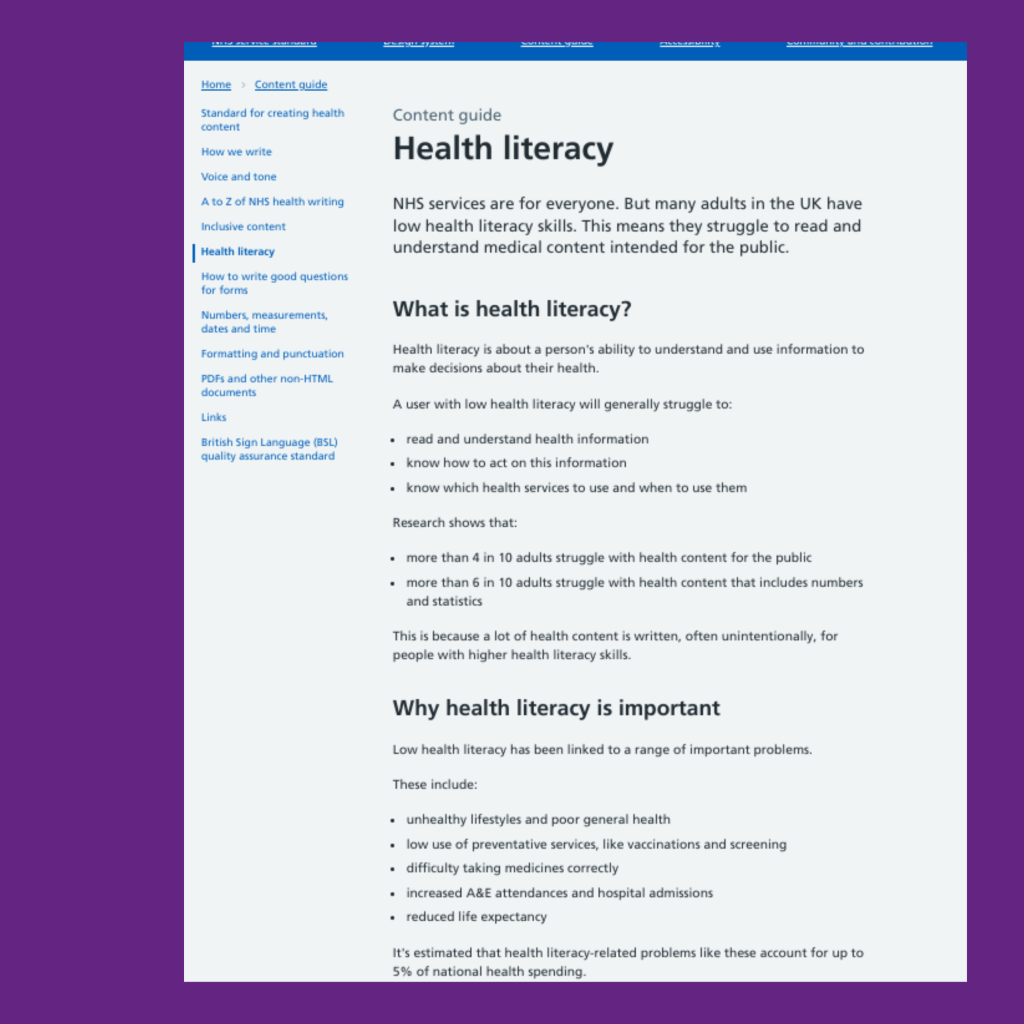
NHS Health literacy guide National Inquiry
NHS services are for everyone. But many adults in the UK have low health literacy skills. This means they struggle to read and understand medical content intended for the public.
The UK Network of Professors of Midwifery and Maternal and Newborn Health have published a position statement on the use of sexed language in relation to women’s reproductive health.

Distinction is critical for good healthcare
Clinicians urge use of sex-based language in health communications Clinical Advisory Network on Sex and Gender
Government orders NHS website to use sex-based language Pulse Today
Sage Journals Testing Inclusive Language Revisions of the Breastfeeding Attrition Prediction Tool Using Cognitive Interviewing: A Pilot Study
Monitoring equality: Developing a gender identity question
Useful paper which explains the pitfalls for data collection, when gender, gender identity, sex, are used as categories without clarification
The Cass Review
This is the published NHS review of care and treatment of children and adolescents experiencing confusion or distress about their sex.

There are myths and misinformation about the credibility and integrity of Cass- here are some of the responses which correct the myths

No evidence of transitioning reducing risk of suicide
British Journal of Midwifery: Trans and non-binary experiences of maternity services
Cautioning against acting without evidence
<< Chapter Two: Steps you can take


 With Woman