
Prepare
- Take time to prepare before you raise your concerns. Be clear about what exactly you are challenging. Be as precise as you can. Back yourself up with research and case studies (see the sections on frequently asked questions, case studies and resources). Make sure you take the needs of others into account such as service users, staff or students who identify as trans or non-binary. Your position will be stronger if can show you have considered all angles.
- Check out the legal situation, if you think it might apply. For good sources of general legal explanations see the section on the law including the Equality Act.
Find your people
Find out, if you can, who in your organisation is likely to agree with you. You may have had private conversations where you’ve become aware that others may turn out to be a source of support. Inform these key people and ascertain if they are prepared to speak out in your support.

Go in calmly
- Think about how you will raise your concerns – email, one-to-one with a manager, in a group meeting, or all of these. It’s wise to get ready to keep your own notes of any discussions that arise. If you have any dialogue on social media, keep screenshots.
- You may find the reason for a change in language or policy is an oversight or someone acting in “good faith“. You might find surprising allies. You may end up with no conflict at all.
- You could ask whoever you are challenging to explain themselves to you. Ask to “see their working“. Get the references they’re using. Often false rationale or logic collapses once it’s exposed to scrutiny.
Framing essentials
Impact Assessments
An impact assessment is an established and evidenced way to demonstrate if the legal obligation to explore change has been fulfilled. Templates for impact assessment are available on the internet, or your organisation may have its own.
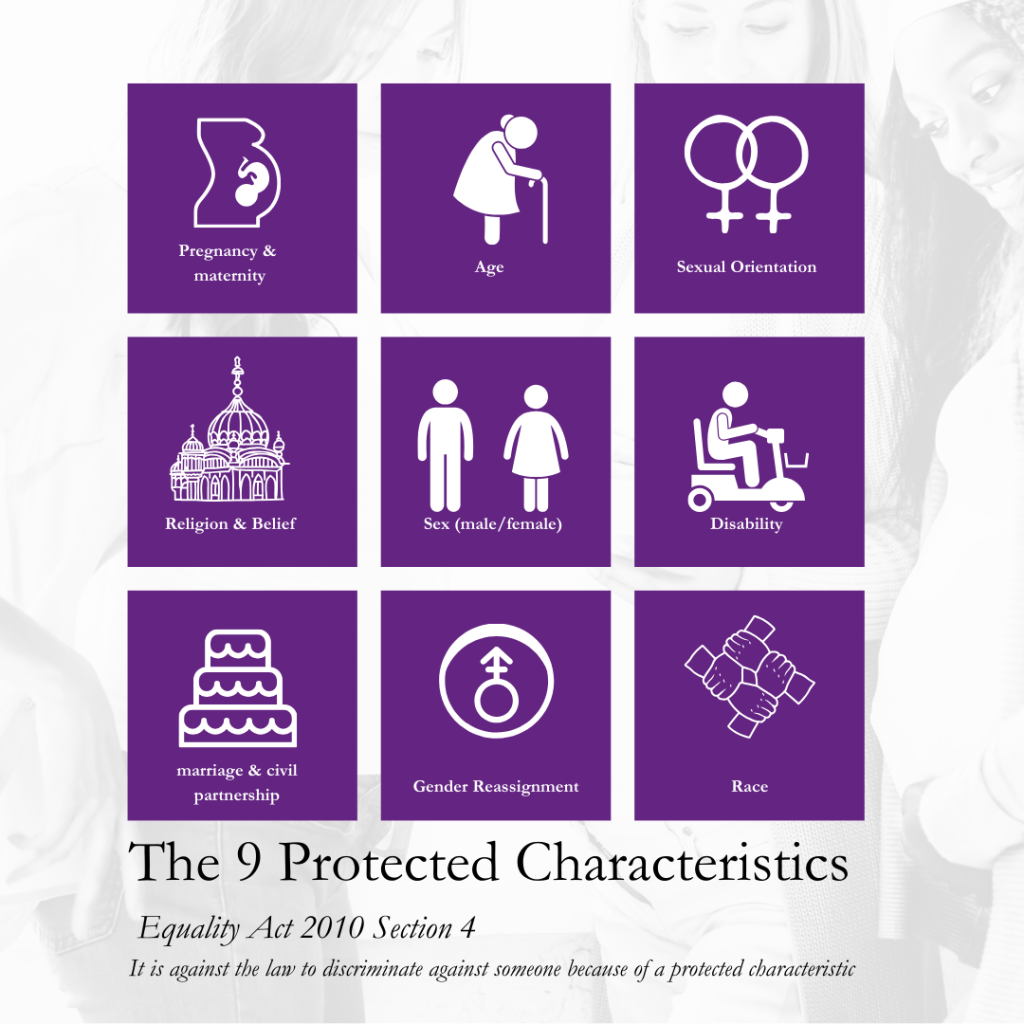
- It is your employer’s/NHS Trust’s/surgery’s obligation to consider all policies in relation to its impact of the nine protected characteristics.
- You can ask if proposed language/policy changes have been piloted. Ask if they are research-based, or if they have been tested in any way at all with the target group (in these situations, women, girls, pregnant women, women using the health or maternity services).
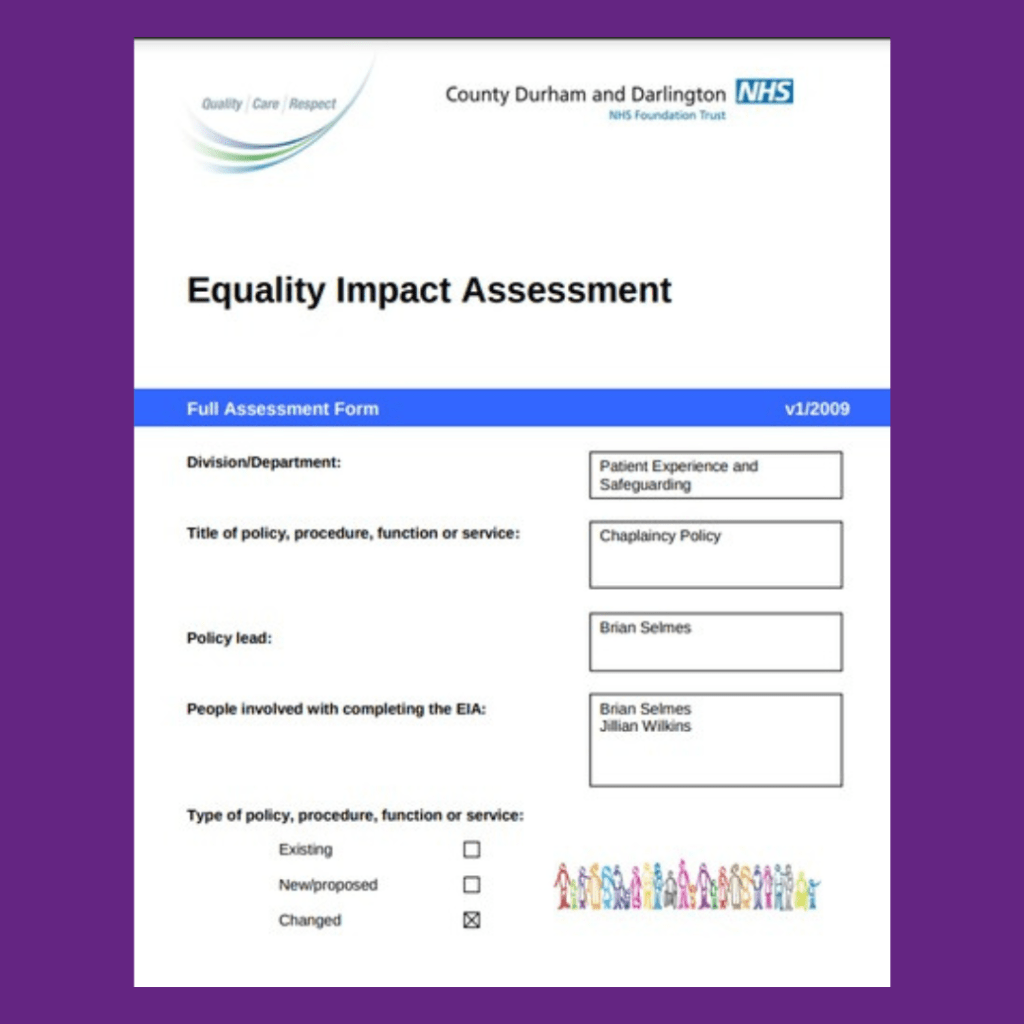
- If there has been an assessment done to benefit trans or non-binary staff or service users, it is worth checking if the section on “other people affected” or “other impacts” includes impact on women and girls. For example, mixed-sex toilets might be easier for those who identify as trans non-binary to use, but what is the impact on women and girls no longer having a sex-specific facilities?
- Services should consider the impact of each of the named nine protected characteristics and should be listed accurately. If sex is replaced with gender, or gender identity, or missing, it is not fulfilling its equality obligations.
Discuss “inclusivity”
- Being inclusive – not leaving anyone out, or changing language or activities to enable anyone to feel represented – is often seen as desirable and fair. However, to provide specialist services the best practice may sometimes be to exclude some groups. This may be for reasons of safety, fairness, privacy or dignity.
- The Equality Act 2010 protects us against discrimination, but also clarifies when discrimination on the basis of a protected characteristic is lawful. For example:
AGE to provide a teen pregnancy support group, & exclude those above a specific age.
SEX to enable a woman/girl to request a female midwife
SEXUAL ORIENTATION to provide a parenting groups for gay or lesbian parents.
- Some organisations may consciously decide to use “inclusive” (sometimes called gender-neutral) language. Maybe they have signed up to an EDI (Equality, Diversity & Inclusivity) scheme that requires an organisation to use this language as a condition for membership.
- It may be well-intentioned, but they simply haven’t done the thinking. However, de-sexing language does not lead to inclusivity.

As we have explored, “inclusivity” can come at the expense of fairness, or safety, or clarity. You can challenge “inclusivity” by exploring who may be “excluded” by this and the possible consequences of this. For example, a poster in a GP surgery could call for all “cervix havers” to book their smear. Would a woman with a learning disability or English as a second language understand this was aimed at her? Does this undermine our ability to do targeted signposting/ awareness raising? Who suffers as a result?
If we seek to meet everyone’s needs with one communication, or one approach, we risk failing to meet anyone’s needs effectively.
There is evidence that tailored communication which targets specific groups when needed, is a better approach. Just as very young mothers may benefit from their own targeted support , women who wish to identify as men, or non-binary, may have language, communication or health needs which aren’t the same as the general population.
Find out the background
If you are told a change, or a new communication or instruction, is ‘policy’, or the change you suggest is not in accordance with policy, ask to see the policy referred to. You may find there is not much there, or that it refers vaguely to not discriminating. Some policies may use ‘gender’ instead of ‘sex’, or they may misquote the Equality Act.
If you want to trace the history and background of a change, then make a Freedom of Information Request (FOI). You have a right to do this, and the answers to your request can reveal helpful specifics, regarding origins and progress of a decision. There are organisations and websites that can help you do this like What Do They Know? If you are exploring the use of your own personal data, you can make a subject access request (SAR).
Be observant
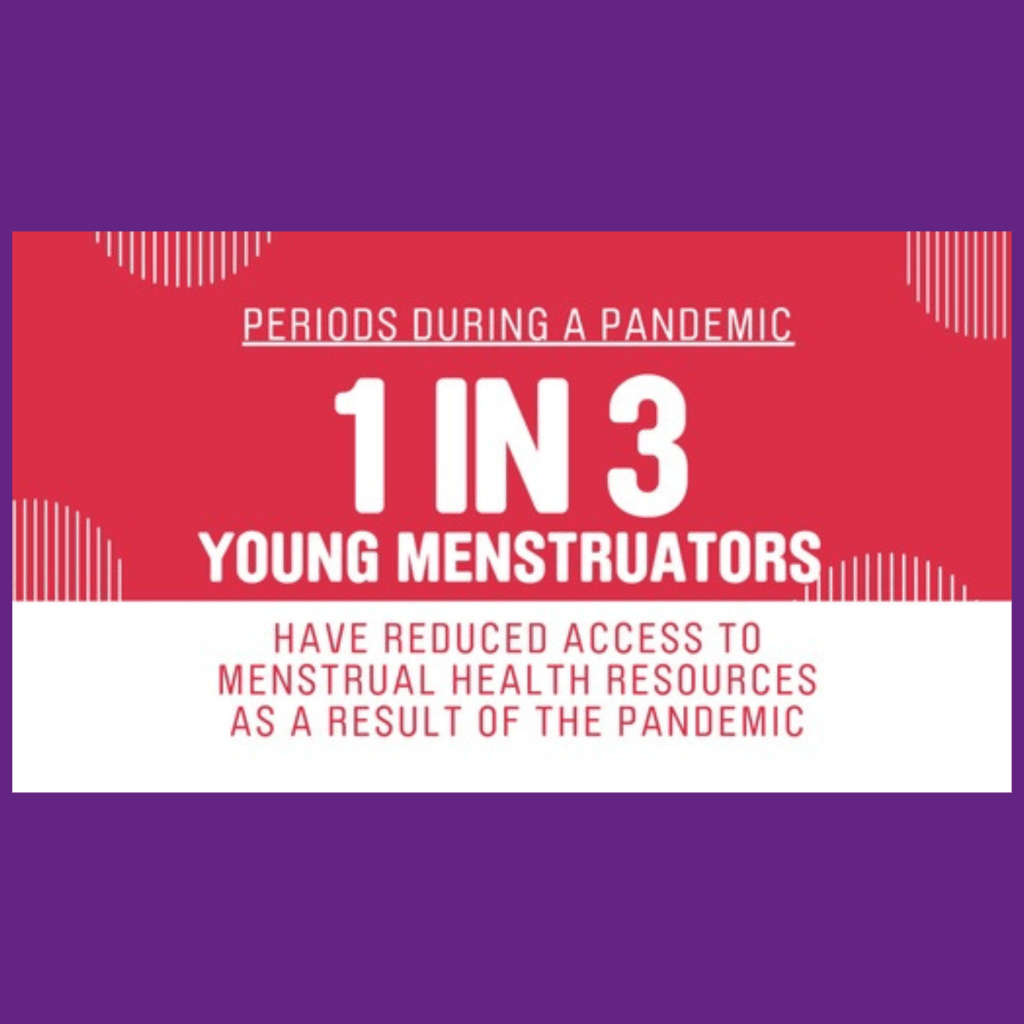
- Look at the communications coming from your organisation. We have seen “ideological creep” whereby sexed language is removed without proper consideration nor discussion. Wholesale changes are announced as a great progressive leap forward, with no opportunity to challenge or to feed into better, safer and more inclusive policies on this issue.
Take it further
- If the issue is still not resolved and you want to take it further, see some of the resources below and the info sheet you can present and lay out your case in writing. Keep good records. Call upon the support of wider networks. Write to us! You can contact us here.


 With Woman